Ideas Are As Valuable As They Are
A personal essay on why ideas are not worthless, how imagination becomes a prediction model, and why idea-work matters even more in the age of AI.
Paulus Mikkola · CEO
Ideas are worthless.
A smart-sounding claim. But unfortunatly it is a complete lie.
It was never true. In the age of AI, it is even less true than ever.
I'll have to tell you a bit of my own story so you can see why I've come to that conclusion, and how I'm prepared to defend a view this controversial.
20 Years
I've been an entrepreneur and a startup founder for about twenty years. That stretch was really just a continuation of what I'd been doing since I was a small boy: turning out one project after another, endlessly. Board games. Catapults. Lego systems. Computer programs. Social games. All kinds of weapon's trigger and magazine systems, just like a a magazine-fed for a bolt-action pea-shooter.
When I was younger I never grasped the difference between a project and a startup, and I started failing badly because of it. I drove one company into a proper bankruptcy. Mostly, business just stopped, for one reason or another.
I assumed the reason was always the project itself. The project idea was bad, or some idea inside some part of the project was bad. So my whole worldview developed into one where I saw, everywhere, only problems and the ideas you'd use to solve them.
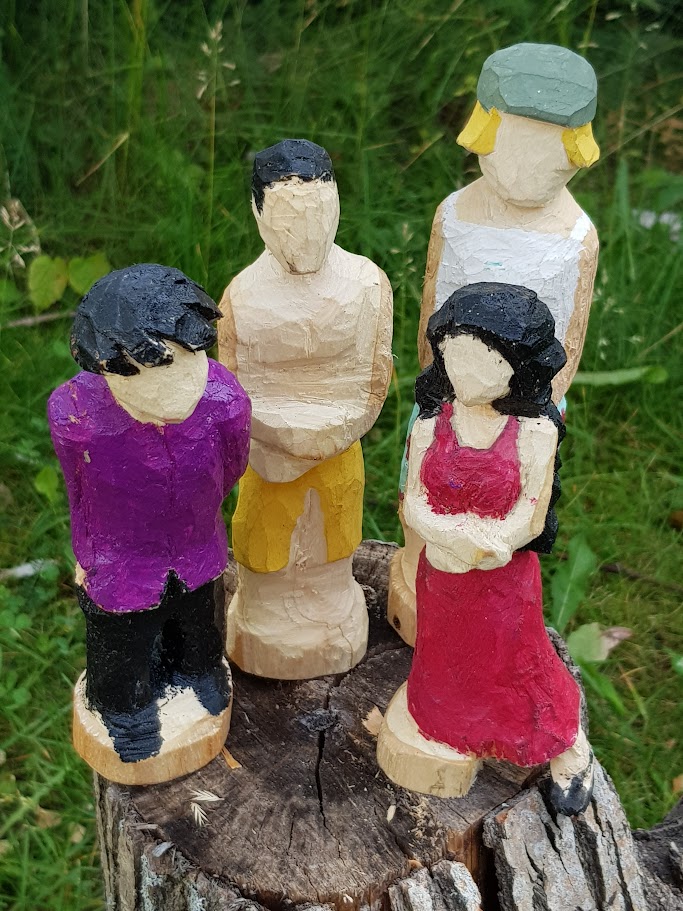
The Catapult
It had developed that way already in childhood. The first time we decided to imitate a Roman catapult (by the way, I can't claim the idea was mine, it came from my big brother who had an extremely good imagination). I was about ten and my idea for the power source was bad: a rubber band for a small prototype, or a bicycle inner tube for fullsized Roman catapult. It snapped in the prototype I'd built out of technical Lego so I never tried a bicycle inner tube for full version.
When I improved the idea, replacing the rubber band with string and the inner tube with rope, the catapult started working. Working, that is, until the arm itself broke on the very first shot.
I noted that the arm was too weak, got the idea to make it thicker. And then, having tried that, noted that the thicker plank was too heavy and the idea didn't work either.
That's how it went. Different problems, different ideas, until finally every idea inside the project was good enough that the catapult's projectile carried to the far edge of the field.
It was amazing moment. We completely outperformed others in the level of armory in our neighbourhood.
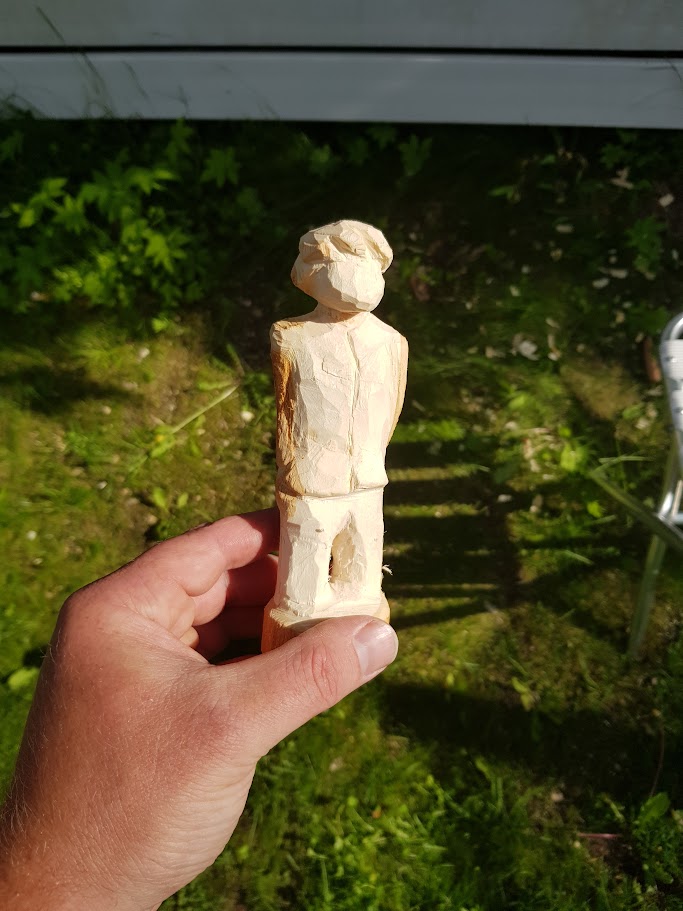
Time Passes
Time passes.
I'm making countless projects of every kind. Ice-yachts. Tent-saunas you can assemble in a minute and that look very strange. Board games and computer games of every flavour.
Every project and every invention was, for me, just a series of problems and sub-problems with ideas and sub-ideas built against them.


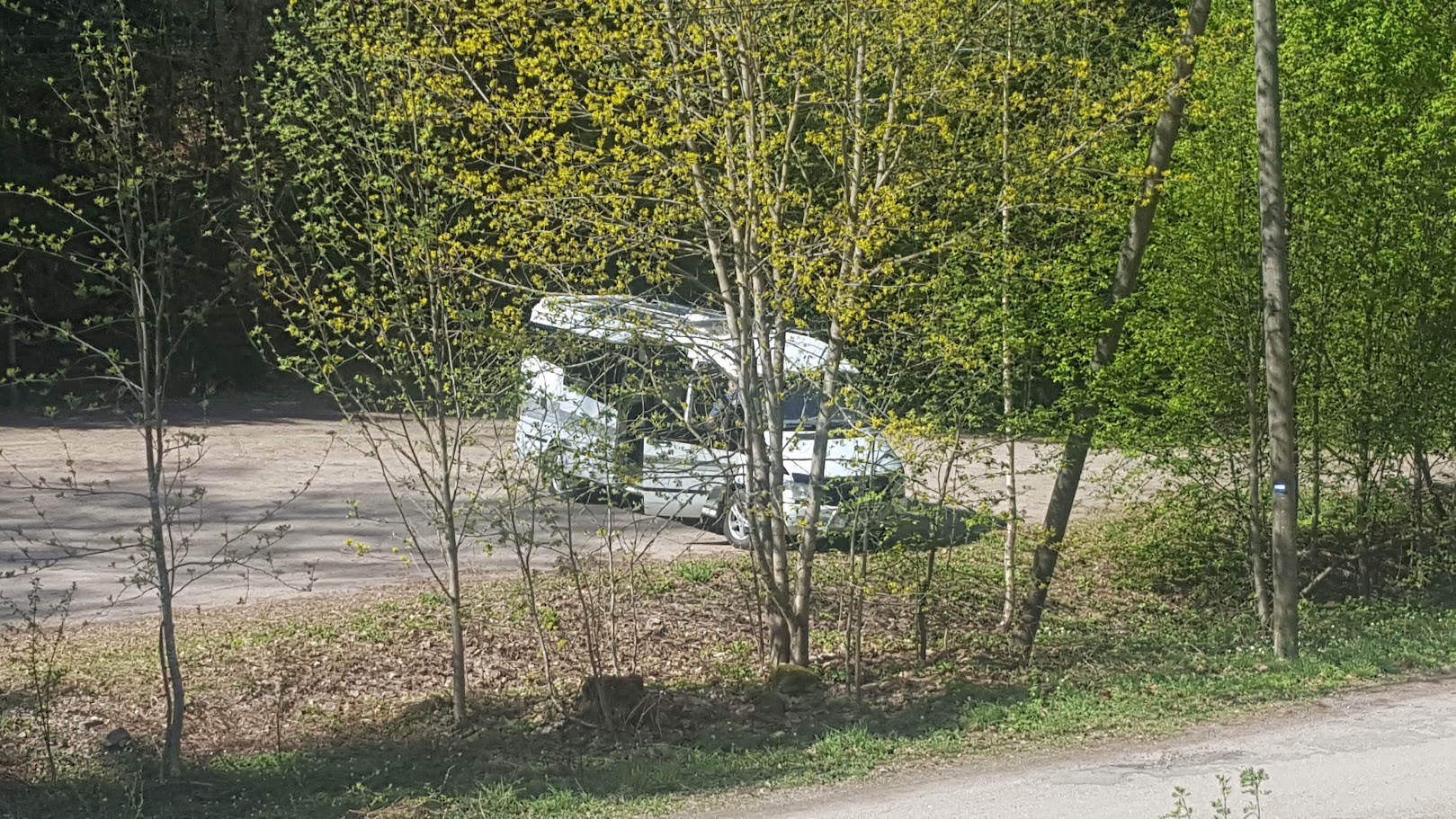
First time I'm publishing this portable-sauna model online.
How do you see where an idea will break before you build it?
But what did all of that time actually teach me?
Among other things, it taught me that if you were good enough at IMAGINING - that is, at using your imagination - you didn't actually need to TRY every idea first.
If you could already IMAGINE, in advance, where each of your ideas was going to fall apart, you no longer had to test everything the long way round.
You started being able to see one step ahead.
Then two and three steps ahead, and at some point you were coding the whole next section of the program at once, or designing the next board-game prototype, inside a single long thinking-and-planning session.
Put differently: imagination was building an internal simulator. It simulated ideas, located the weak points in them, and iterated stronger and stronger constructions out of them.
The side product was a PREDICTION MODEL.
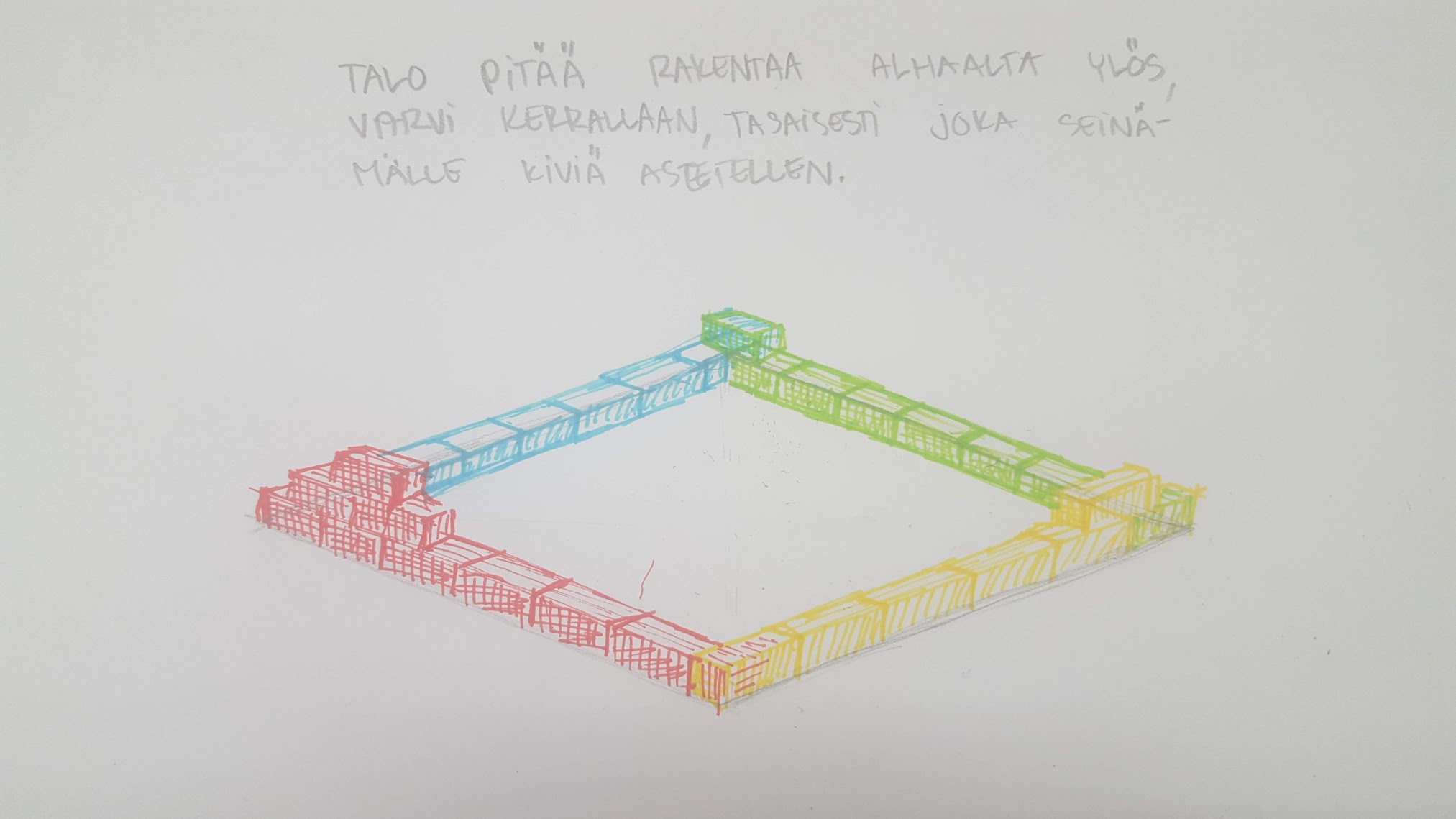
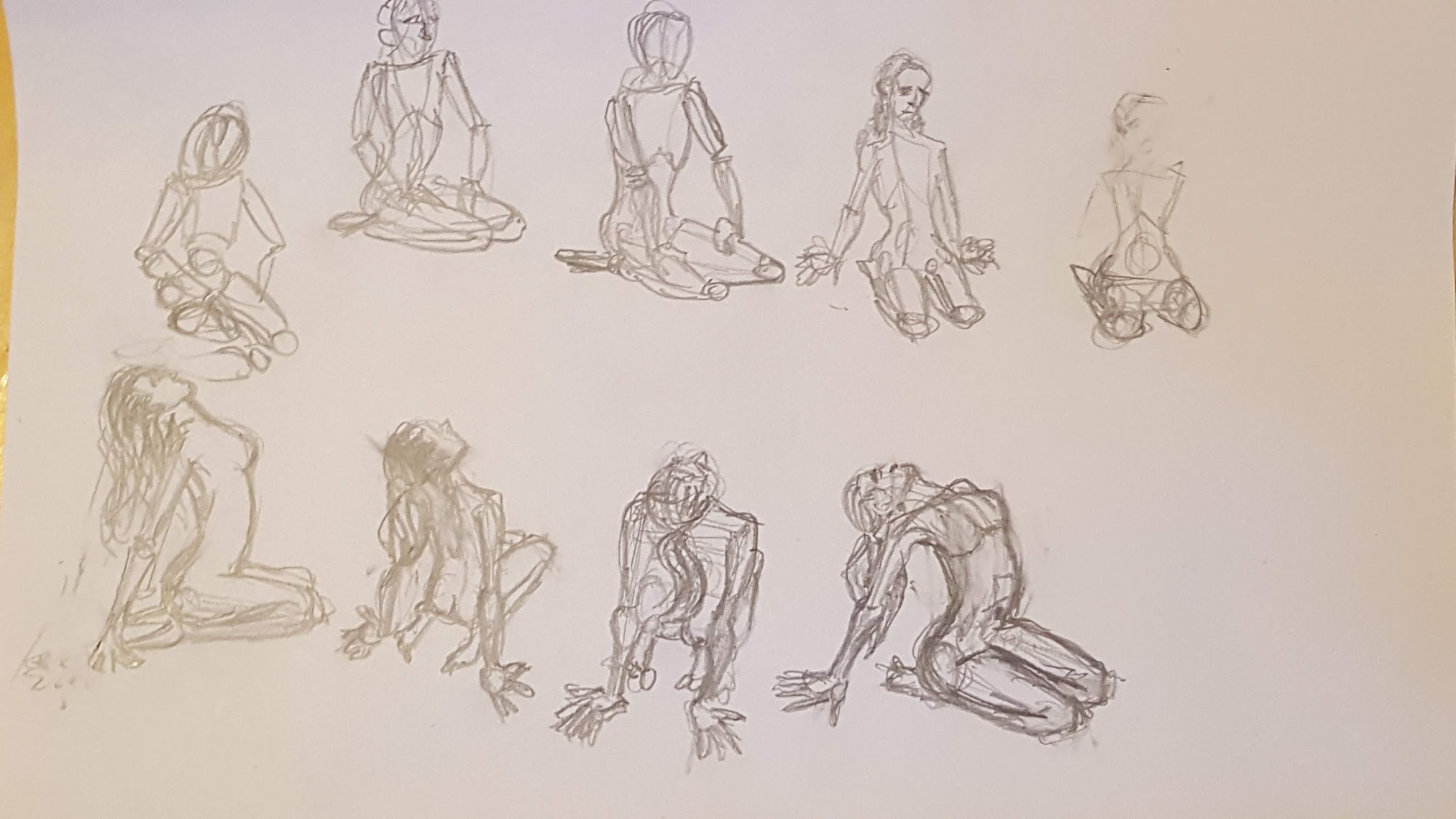
Using that prediction model I could now estimate how well an idea would survive contact with reality. Will this part break? Will that piece of hardware actually fit there? Will the logic of this program hold up, or that prompt-construct, under heavy use?
And eventually: is this business idea any good? More precisely: is this business idea good in this particular moment, in this particular place, against this particular competition, with this particular team and these resources? My imagination, the prediction model, started telling a story. The goodness of an idea depends on countless details inside the whole ecosystem it has to live in.
Why is "ideas are worthless" a dangerous mantra?
For years I couldn't understand at all why people kept chanting the mantra: Ideas are worthless. Only execution matters.
Didn't they see that execution becomes far easier if you can already polish all the dum ideas out of it in your head, and replace them with carefully worked-out ones?
Why did they want to learn everything the hard way? Didn't they grasp how essential it is to develop this imagination, this prediction model, so they could build better ideas and ultimately better products, better businesses, better companies, better projects?
At a fraction of the cost. With much better wholes.
There's also a deeper point hiding inside the word "execution." When the mantra-chanters say execution, they mean the mechanical part: typing, building, shipping. That part the AI now handles. But the ideas that happen during execution. the choice at every fork, the recognition of which design will crack and which will hold - that part is not execution. That part is idea-work. And idea-work is exactly what the mantra dismisses.
I didn't believe the mantra. I kept developing my own imagination, all the way to today. Those exercises have only accelerated.
Even today I keep generating ideas for the most varied problems. If I come up with a good idea, I'm not just saving today. I might be saving the next week, the next month, the next year, the next decade, even the next century.
The opposite is just as true. Come up with a bad idea and execute it, and you get a bad day. The bad idea alone is not enough. You also have to act on it. Two hours of scrolling LinkedIn is one. A day with the phone open the whole time is another.
Almost all thinking during working hours is just the search for good ideas. Every moment you have to come up with an idea for what you're about to do.
Cormorants
A few summers ago I took the practice into the Finnish outer archipelago. It started, as everything else does, with an idea: build an educational role-playing game in which there are human-like bots, and from interaction with those bots, people could learn things about life through simulation. From that came another idea: that I could spend my work days out in the Finnish outer archipelago, in that beautiful summer wilderness, if I just bought a kayak. Strap it to the roof of the car, drive to the coast, paddle out from there.
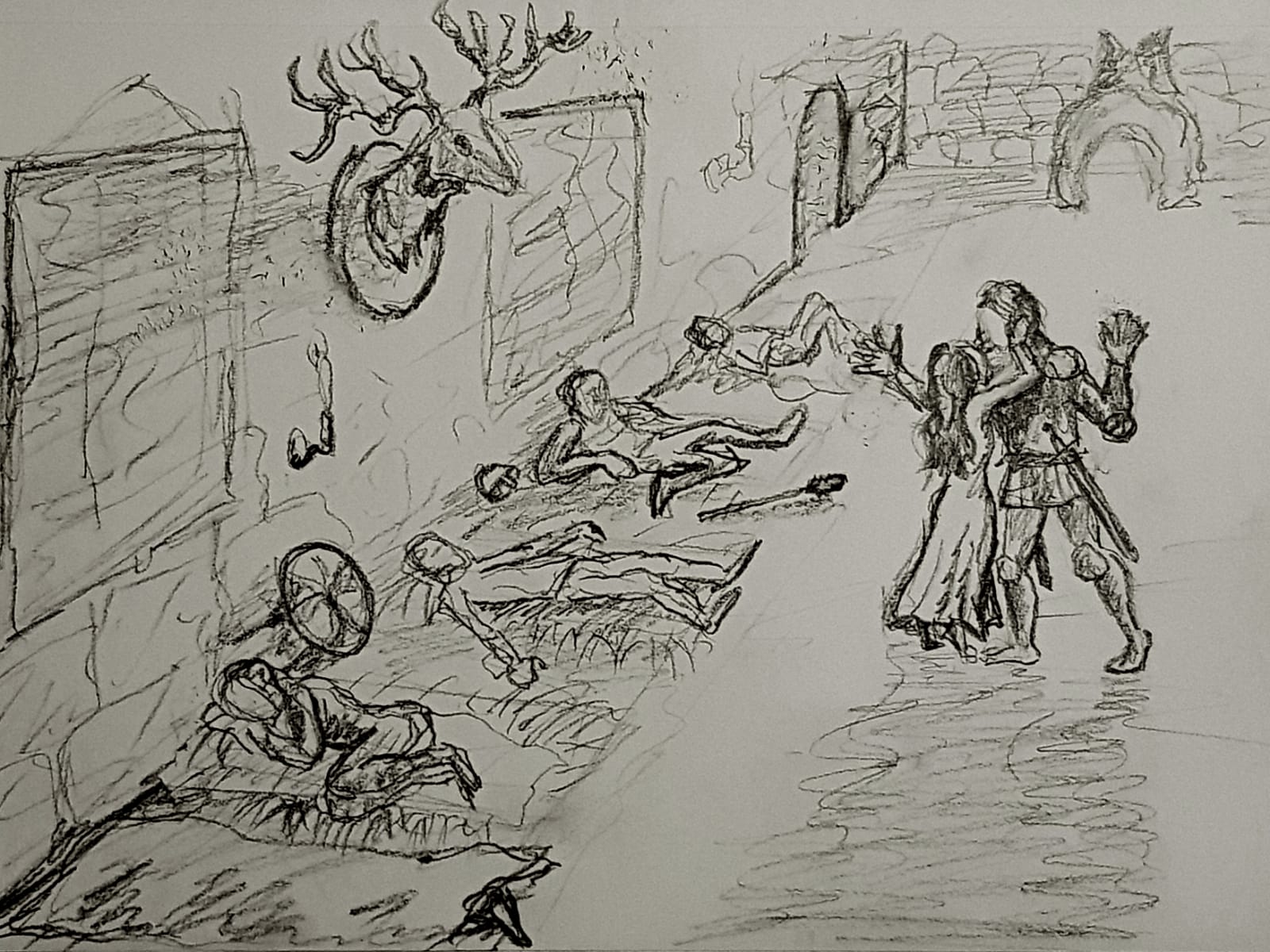

And before that I'd already had a third idea: that I could study nature biomimetically and copy patterns from it to raise the quality of my own ideas.
So that's what I did, day after day on that island. I watched cormorants. Specifically, how cormorants solve problems. I wanted to understand how humans solve problems, so I could code a bot that would be as realistic as possible.


Because I'd had the idea to go and do that, the idea turned out to be a good one and started producing results. I got an idea about how a cormorant's problem-solving model might work. Later, an idea about how that same model might be used to program the bot, not only to model its behaviour. From there, an idea about what we're currently doing wrong in programming. And from there, ideas X, Y, and Z. Ideas I am not going to share here.
Automata
Combine them all and, ta-da: I was now doing what looked like a scientific breakthrough in computer science. The idea on which our product, Automata, is built. The idea that made the near-total automation of AI software production possible. The idea we try to turn into patents, the idea we're using as a shield against every competitor trying to do the same thing.
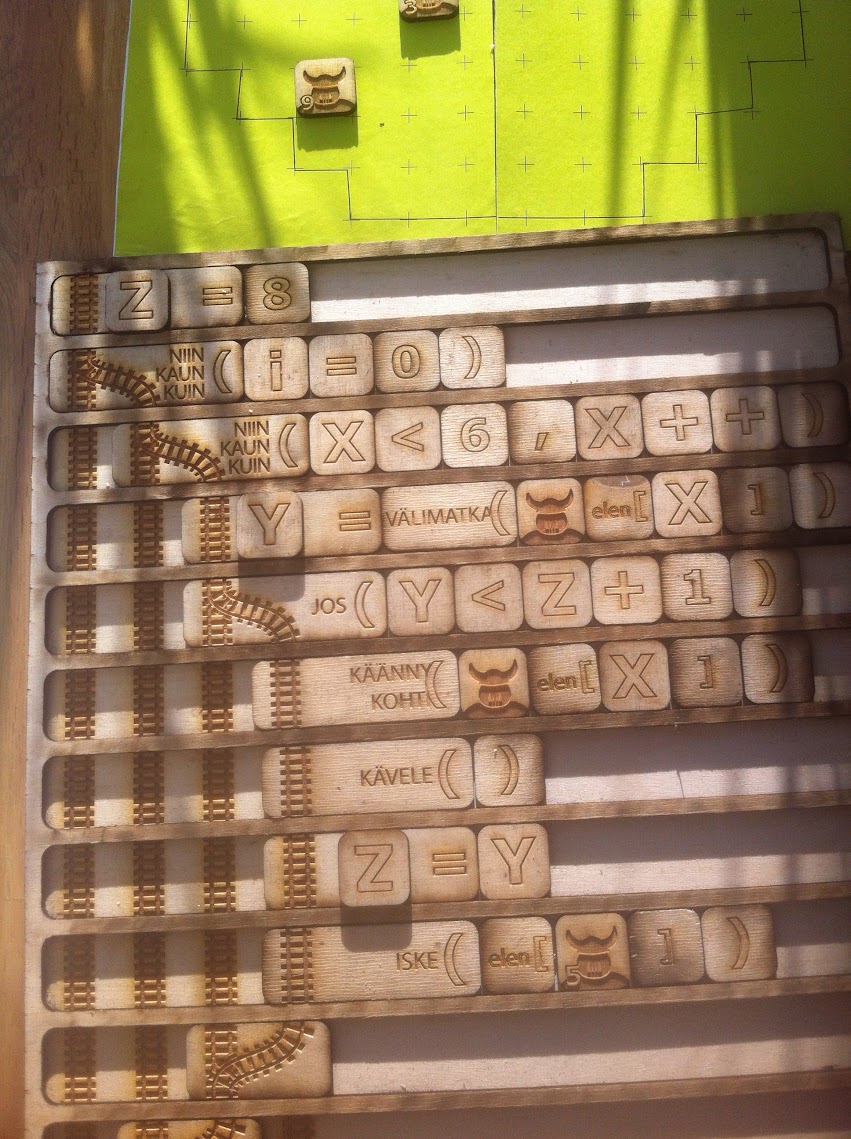
A few hundred ideas later. Maybe a few thousand. Our team has grown to ten. Our startup has been funded. And we are, in our possibly-vain opinion, well ahead of the competition.
All of it traceable back to a particular idea at a particular moment.
Why did my early startups really fail?
I want to come back to where this story started.
For years I assumed my early startups failed because the ideas inside them were bad. The opposite reading was just as available: that I simply couldn't execute, and the ideas were fine.
But notice this. My system has not changed. I am still generating ideas, polishing them in the prediction model, throwing out the weak ones, executing the survivors. Same method, all the way through.
And now, for the first time, a startup of mine is actually working. Funded. Ten people. A real product. A real moat.
So the "you couldn't execute" reading has to be wrong. If it were true, the execution would still be broken, because I am the same person. The only thing that changed is the quality of the ideas going into the system.
My execution was never particularly weak. I had wrong ideas at the wrong moments. Ideas like "only the team matters." Like "the company name is everything." Smart-sounding rules I picked up from books and from confident people, took too literally, applied without thinking. And the ideas themselves were bad. So the startups failed.
The Other Way
Unfortunately this same story works in the other direction too. Ideas define the path of your life both ways.
At any moment I could get the idea that tasting a cigarette is a good idea. And from there, the idea that moving on to stronger substances is also a good idea. Sometimes, unfortunately, this can lead to the idea that life is just unavoidably terrible, and that leads to a sick idea about the beauty of suicide. And at worst, that idea can lead to death.
So my advice is this: treat every idea with respect, whether it is good or evil. Because it's ideas that steer your life, and contempt toward them is probably the deepest root cause of almost everything ugly that happens.
Why does every idea, even a bad one, deserve respect?
Treating them with respect and fear leads to wisdom. In the end, to a good life. As it has for me. Bad ideas led me to depression and to thoughts of suicide. Good ideas led me to friendships, to health, to time in nature, to a family, to a marriage, to work, to a business, and to a path of helping others instead of egoism.

If something saves your life, it is good ideas and the source they come from.
If something destroys your life, it is sick ideas and the source they come from.
The value of an idea, positive or negative, cannot even be measured in money. That's how large the values of ideas can be.
That's why I drew this by hand, signed it, and dated it:
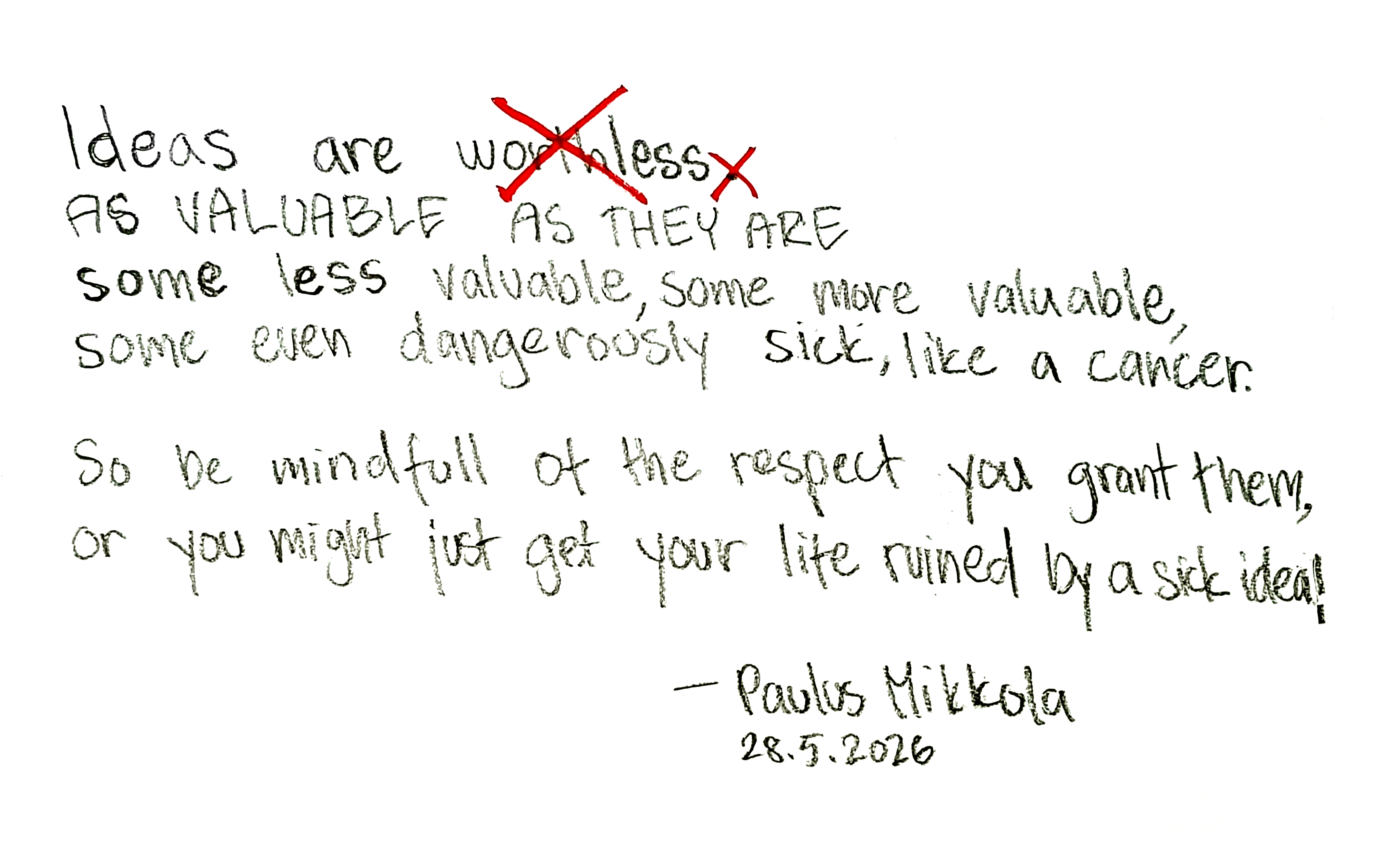
— Paulus Mikkola
Helsinki, 28 May 2026

About the author
Paulus Mikkola
Founder, Automata
Where once a smith forged the Sampo, now a coder forges Automata. Paulus Mikkola, descendant of the suppressed hunger-rebellion leader Matti Sorsa, struck AI's golden vein in 2024. Since then he has been hammering away, believing that ancient wisdom can still save the world. Paulus is an award-winning entrepreneur, inventor, AI trainer, software expert, biomimetist and, true to his forest roots, a trained wilderness guide.
Want to turn an idea into an AI asset?
Start with an AI Opportunity Scan and get clarity before building.